
Most of us start the scale modeling hobby with the absolute basics: a starter kit, a single hobby knife, a tube of glue, and a few tiny bottles of paint. There is nothing wrong with that—those basics are exactly what you need to get building.
But you will quickly realize there is a massive market filled with upgrades aimed at the “pro,” “platinum,” or “expert” market (whoever those people are). Fortunately, you don’t need to drop $1,000 on a high-end airbrush setup to enjoy a cleaner, smoother building process. There are excellent upgrades exist that drastically cut down frustration without draining your wallet.
- The Liquid Adhesive Upgrade
If your journey started with that thick, stringy glue in the classic orange tube, you are in good company. It gets the job done, but it can be messy, smelly, and incredibly difficult to control when working with microscopic parts.
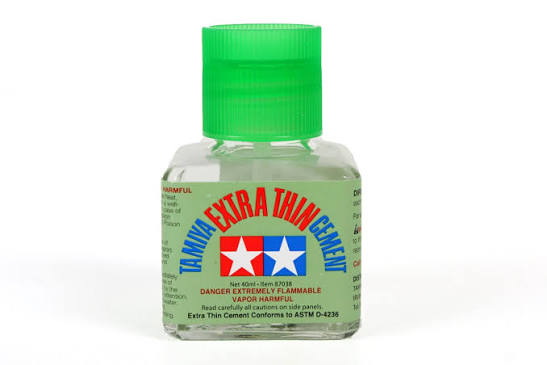
Swapping the tube for a high-quality liquid cement changes everything. While it requires a bit of practice to avoid flooding your parts, liquid cement uses capillary action to flow perfectly into pre-fitted joints. For an accessible and consistently reliable option, Tamiya Extra Thin Cement is a global hobbyist favorite. It is widely stocked, incredibly easy to manipulate, and features a much milder odor than alternative solvent brands.
- The Flat-Handled Scalpel
Many beginners default to a generic, clicky snap-off box cutter. While fine for rough work, it completely lacks the finesse required to clean tight spaces or execute delicate cuts. The obvious upgrade is to an Xacto style knife. However, round hobby knife handles present two major annoyances: the replacement blade packs can be expensive over time, and round handles love to roll right off your desk. Hey, I like a little excitement in the hobby room as much as the next person, but dodging knives is not what I had in mind.
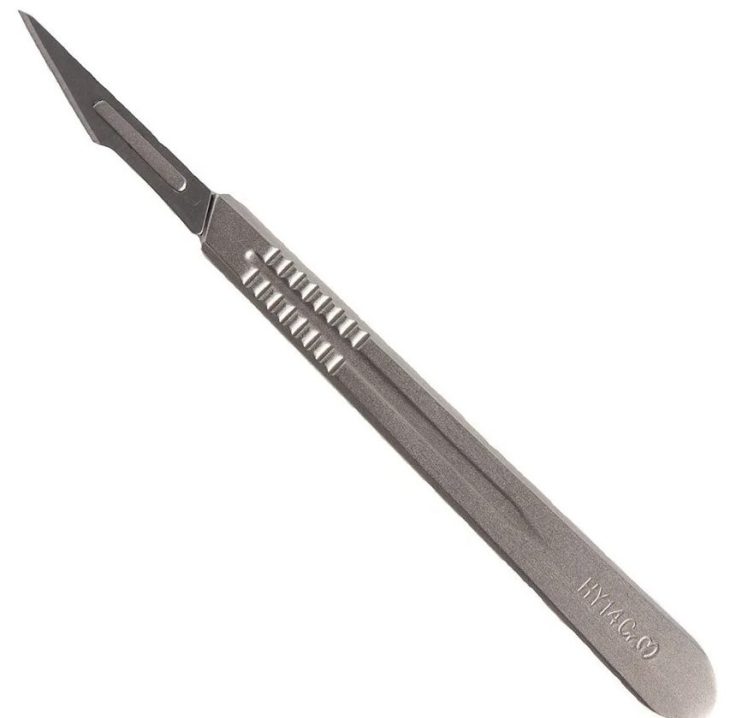
The Fix: Switch to a surgical scalpel featuring a flat metal handle. The blades are exceptionally sharp, bulk replacements are highly affordable, and the flat geometry ensures the knife stays precisely where you lay it down.
- Flexible Nail Files & Sanding Sticks
When parts suffer from poor fitment or prominent mold lines, aggressive grit is rarely the answer. Pulling out heavy-duty hardware store sandpaper or metal files usually results in over-sanding—destroying surface details and leaving deep scratches that require polishing to fix.
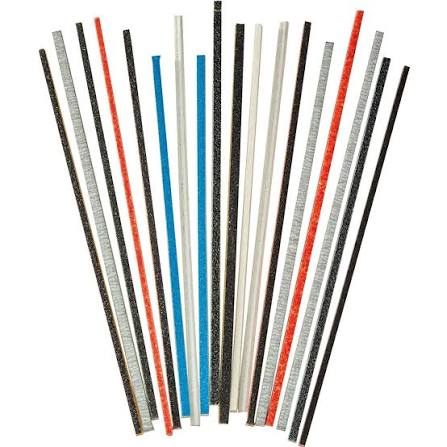
Instead, raid the beauty aisle or your local hobby shop for multi-grit nail files and flexible sanding sticks. They are inexpensive, easy to shape into tight corners, and give you much greater structural control over small surface areas. Reserve 1500 to 2000 grit paper to gently polish out minor imperfections.
- Plastic Nippers
How you remove a part from the plastic sprue dictates how much cleanup work you have down the line. Yanking parts off or using a crude box cutter often stresses the plastic, leaving white stress marks or deep gouges in the component itself.
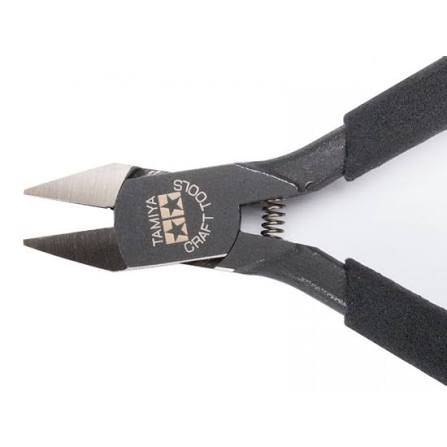
Investing in a dedicated pair of plastic nippers yields a clean, flush cut that saves hours of sanding. While there are deep religious divides between single-bladed and double-bladed purists, either style will elevate your productivity and deliver better results.
- Ditch the Putty Habit
When model builders hit an uneven seam or a major gap, the immediate instinct is to grab a tube of green or grey filler putty. Putty works, but it introduces a messy cycle: you apply it, wait for it to cure rock-hard, sand it down, accidentally erase your panel lines, and then have to re-scribe the lost details.
The ultimate tool upgrade here isn’t a physical product—it’s a change in your approach. Try resolving fit issues during construction before reaching for the putty:
- Use specialized modeling clamps or heavy-duty tape to force stubborn seams flush.
- Utilize alignment jigs to keep independent sub-assemblies completely square.
- Fill deep, unavoidable structural gaps with thin strips of styrene plastic welded with liquid cement.
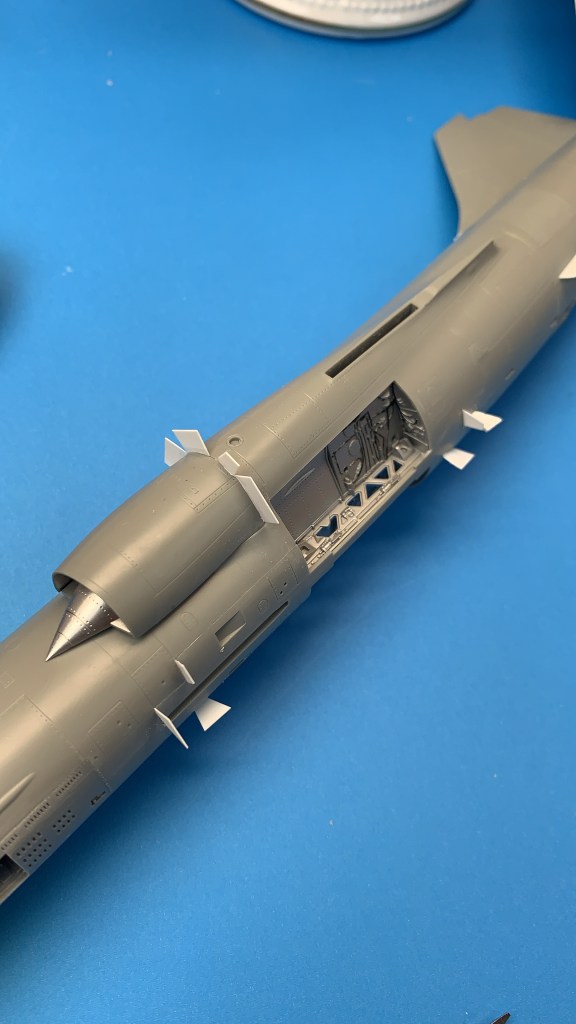
This method is more precise and much faster than working with putty.
Want to see a video?
Of course you do!!
Last thing
It is always hard to resist the pull of an exciting new model kit release. But sometimes, investing a few dollars into a smarter tool setup is exactly what you need to make your next project completely stress-free.
What about you? Drop a comment below and let me know which specific tool or supply completely changed the game for your building setup. I am always looking for an excellent excuse to drop by the local hobby shop!


Leave a Reply